Nutanix Basics
Topics to be discussed:
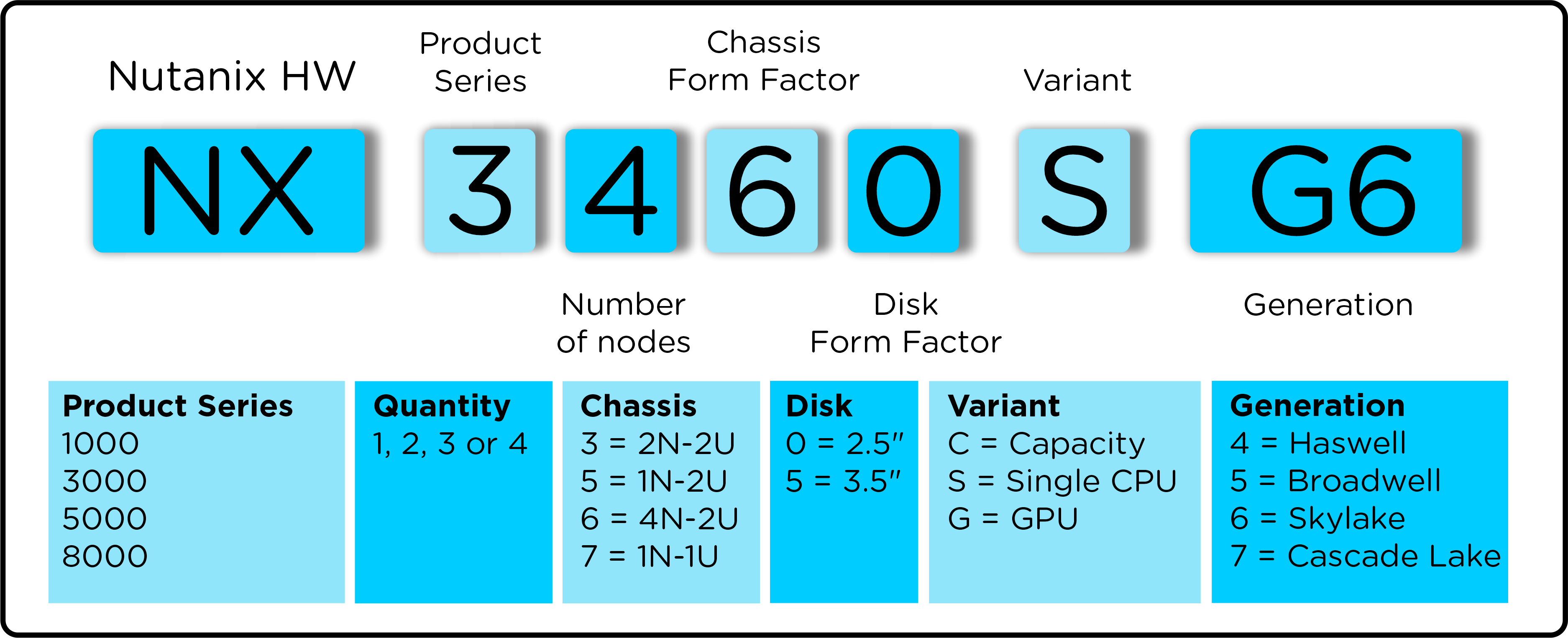
NX Node Naming Convention
Objective: familiarity yourself with native NX! For not NX Systems, please get in touch with the designated Vendor
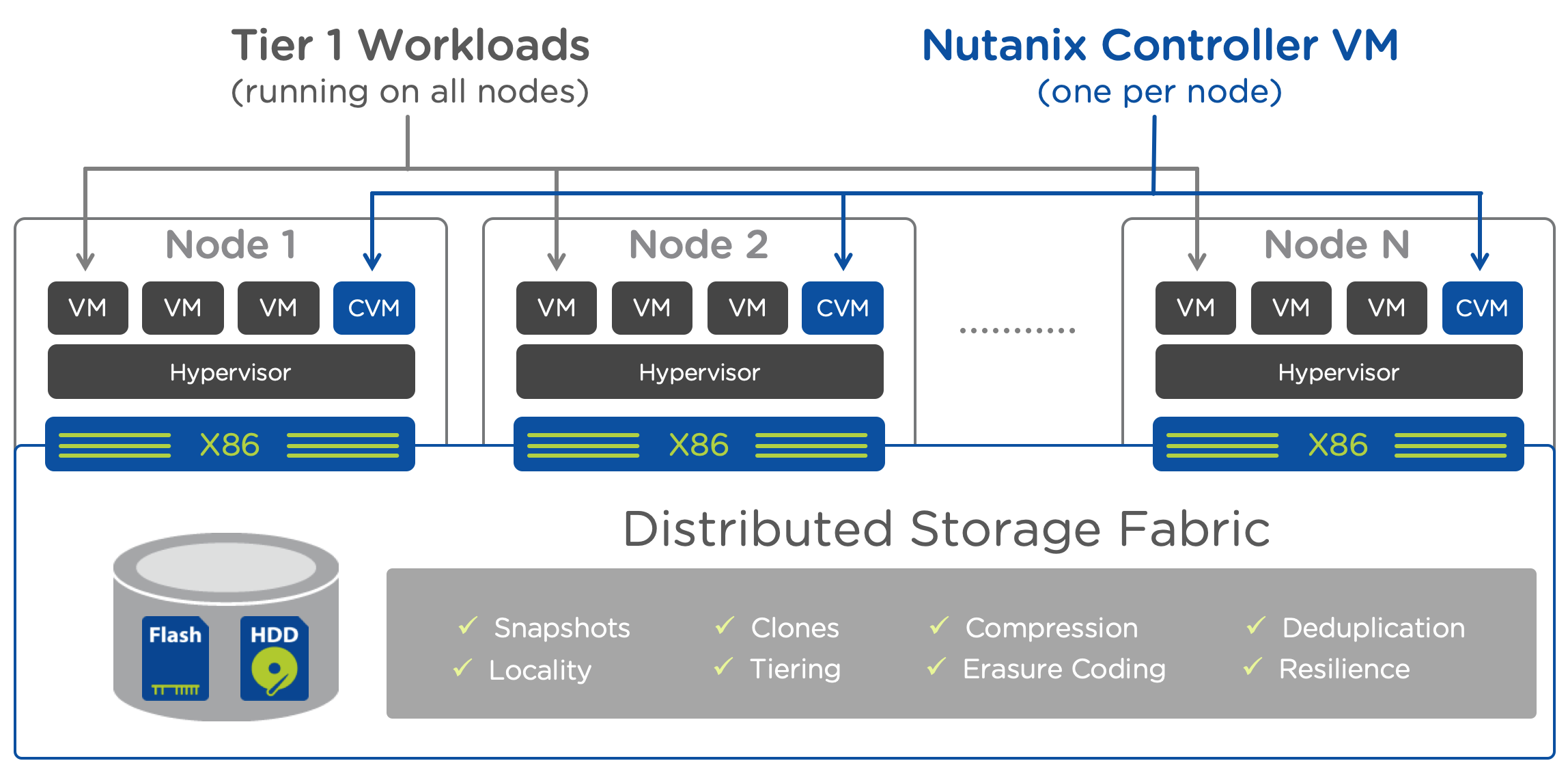
Cluster & Node architecture
Objective: prepare yourself to be able to draw up our architecture
I/O CDP
Objective: explain why the architecture delivers high performance I/O and its failsafe data protection
- Reads and writes in an RF2 example
- OpLog
- Quantity of SSDs used by the OpLog
- Software RAID 1
- < 16kb & > 64kb write pathing
- Guarantee of how a write operation is committed correctly and a read request is 100% true of its original. Expand on this further to drive pre-fail notification and subsequent offline-ing of a disk
- North/South & East/West data locality of virtual machine hot data (explain that no other HCI vendor functions in this manner)
Data locality
Objective: re-iterate the North/South & East/West CDP and where it isn’t a good fit
- Use the example of a VM migration where the data is local, VM moves and where data now resides in relation to its original
- When data locality doesn’t work well (de-dupe, ABS and storage only nodes)
Replication Factors (RF2 & RF3)
Objective: understand how to identify when to use 2 or 3
- Describe the minimum requirements for RF2 & RF3 and in which scenarios would each apply?
- What is the ‘maximum cluster size’ for RF2 before tipping into RF3? (provoke a discussion as no actual number exists)
- RF3 can suffer up to 25% performance degradation versus RF2 due to its additional write and metadata updates
Storage Pools and Containers
Objective: describe the methods used by the hypervisors and that minimal is the utopia
- Which hypervisors use what protocols
- What is the ‘perfect’ amount of Containers in a single Nutanix Cluster?
- Store templates and VMs on the same container
Compression / Deduplication / Erasure Coding (EC-X)
Objective: explain the different disk optimisation techniques and their relevance
- Compression
- Inline and post process
- LZ4 inline
- LZ4HC 3 days after
- Do not use for encrypted data
- Deduplication
- Erasure Coding
- What it is and it’s purpose?
- 8k & 4k granularity for EC-X
- When to use the methods above in different environments
- Don’t forget to mention the dynamic behaviours and how no other HCI vendors compare to us
Data Protection
Objective: describe the differences of each, functionality gained and lost with each hypervisor and why snapshots are not backups
- Our snapshot process
- Asynchronous, Synchronous and Metro Availability
- Why Synchronous replication is not Metro
- The differences in functionality of these features for each hypervisor
- NearSync and its pre-requisites
- SSD overhead, minimum SSD size and quantity depending on storage requirement plus CPU cores…
- Review this document for the latest PD Documentation.
- CloudConnect
- AWS S3 & Azure Blobs (these require compute resource for the CVM)
Networking
Objective: describe the physical (and logical) network elements for Nutanix including the terminology used
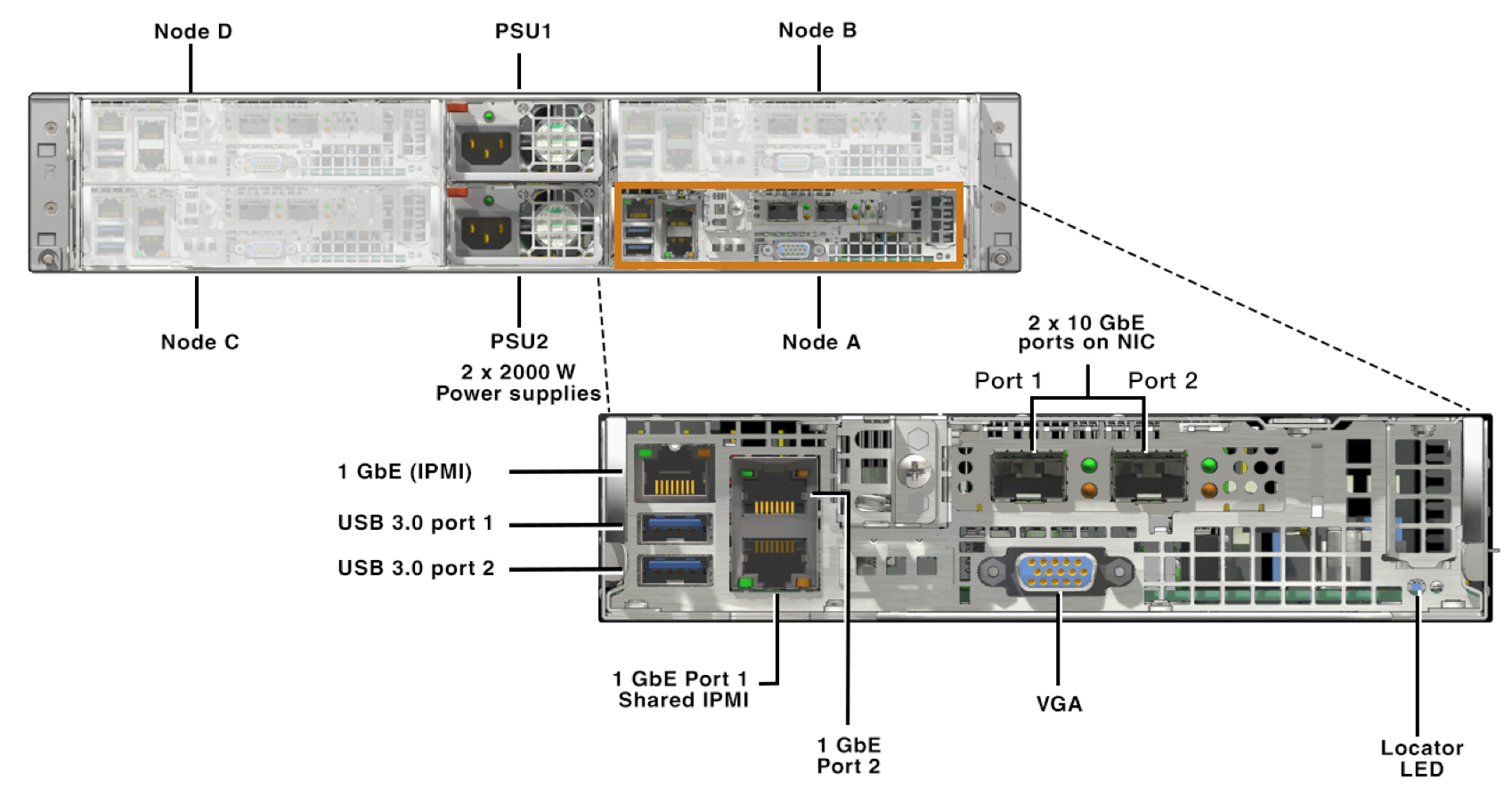
- Physical ports on a node
- IPMI and failover IPMI
- LAN ports
- CVM NIC layout
- ‘Storage traffic’ separation
- Access and Trunk ports
- LACP
- Hypervisor and CVM ‘same subnet’ requirement
- Support ‘supported’ NIC speeds and refer to the Networking Best Practice Guide (BP2050)
Mixing and matching of nodes
Objective: describe the flexibility and ‘configure to order’ approach with the caveats of mixing
- Considerations
- Unable to mix hardware vendors in the same cluster
- Multiple clusters each using different hardware vendors is permitted
- Mixed cluster with storage heavy nodes, the impact of imbalance
- Part population of drives
- SSD imbalance across nodes and the potential impact to Curator
- Different CPUs in the same Nutanix Cluster from AOS, hypervisor and workload perspective
- Mixed node configurations in the same block is not permitted, it’s not a technical reason
Expansion and Reduction
Objective: describe the flexibility of cluster explanation and node eviction
- Flexible
- Add any node of the same hardware vendor
- Remove a node from a cluster for re-purposing
- Reclaim licenses
- Duration of node eviction
Failure scenarios
Objective: preparing for customer failure questions during demos and workshops
- Node failure
- CVM failure
- Disk failure
- SSD failure (disks 1&2)
- On a single SSD node
- Node no longer accessible
- One a dual SSD node
- CVM reboots node to check metadata
- NTP failure
- Cluster won’t start
- Protection domain snapshots fail
Shadow Clones
Objective: describe why it exists and also that it’s not just for VDI
- Why have it?
- What hypervisors are supported?
- What triggers the feature on non-AHV clusters? (The three CVM trigger)
- Functionality difference between ESXi / Hyper-V and AHV (Copy of write, no waiting for three CVM trigger)
Data-at-rest-Encryption
Objective: awareness to position the software and hardware options and pre-requisites
- The software and hardware options
- Differences in functionality between hypervisors
- KMS options, third party and Nutanix native
Prism / Prism Central
Objective: overview the Element and Central differences, the fully distributed architecture(s) and resilience
- Prism Element navigation and demonstrate how to deliver a ‘10-15 minute first meeting demo’
- Prism Central and Prism Pro features
- Prism Central Scale-Out
Nutanix Files
Objective: overview the feature and use-case(s)
- What is it and why do we have it?
- Hypervisors supported
- Protocols supported
- Replication options
Nutanix Volumes
Objective: overview the feature and possible use-case(s)
- What is it and why do we have it?
- Hypervisors supported
- Protocols supported
- Replication options
Hypervisors
Objective: check familiarity of the hypervisors and supporting eco-system components as well as some basics
- VMware vSphere, vCenter, Intelligent Operations (previously vROps), vRealize Automation
- Microsoft Hyper-V, VMM, SCVMM, SCOM
- AHV
- Background, explain the KVM story
- Pricing
- HA / DRS / EVC equivalent features and our naming conventions
